
Key Takeaways
- Confirm Utah rental requirements before advertising your property so your leasing process starts on a compliant foundation.
- Prepare the home for occupancy by addressing safety concerns, maintenance needs, insurance coverage, and property conditions before move-in.
- Establish written screening standards before accepting applications and apply those standards consistently to every applicant.
- Document the property’s condition and create clear systems for rent collection, maintenance requests, records, and communication.
- Build a realistic rental budget that accounts for ongoing expenses and repairs rather than relying only on expected monthly rent.
Whether you’re relocating from Layton, holding onto a home instead of selling it, or intentionally turning a property into an investment, a first-time landlord checklist can help you organize the important details.
Utah requirements, property condition, applicant screening, insurance, documentation, and financial planning all deserve attention before you advertise the home. Keyrenter Layton works with rental owners throughout the area to address some of the most important points before you rent your property.
Contact Our Property Management Experts
1. Review Utah Rental Requirements
Identify the rules affecting your property and have a reliable process to comply with them.
Utah’s Fit Premises Act establishes responsibilities related to the condition and operation of residential rental properties. Owners must maintain rental premises so they are safe, sanitary, and fit for human occupancy and maintain specified systems such as plumbing, heating, electrical service, and hot and cold water.

Utah also has rules covering matters like property access, application disclosures, deposits, and move-in condition documentation. Federal requirements may apply as well. Local requirements require a separate check.
Layton City states that people conducting business within city limits generally must obtain a business license, so owners should confirm directly with the city what licenses may be required.
2. Confirm Your Insurance Coverage
Converting an owner-occupied home into a rental can affect the required insurance.
Coverage varies by insurer and policy, so avoid assuming your existing homeowners policy will automatically provide the protection you need. Contact your insurance professional before placing the property on the market to ensure your insurance is correct and valid.
This is also a good time to notify your mortgage company and review any HOA rules that affect leasing. Resolving these details before marketing can prevent surprises after you have a committed tenant
3. Inspect and Prepare the Property
Before showing a property, check plumbing, heating, electrical components, appliances included with the rental, doors, windows, handrails, and other features that affect everyday use. Address leaks, damaged fixtures, deferred maintenance, and known safety concerns rather than only cosmetic issues before occupancy.
Utah law requires residential rental units to meet specified health and safety standards.

Beyond compliance, completing repairs before move-in gives you a cleaner starting point for future maintenance and establishes existing damage prior to the arrival of tenants.
4. Create Consistent Screening Criteria.
Establish consistent written rental criteria addressing relevant factors such as income, credit history, rental history, and other lawful screening considerations. Utah requires certain information about rental eligibility criteria and expected rental costs to be disclosed prior to any application charges from potential tenants.
Consistency matters as much as the criteria themselves in order to copley with Fair Housing requirements.
Criminal-history screening deserves particular care. Sweeping exclusions can create Fair Housing concerns, so screening policies should be developed with current federal guidance in mind.
5. Use a Rental Agreement Built for Utah
Utah law recognizes rental agreements that may be written or oral, however, a well-drafted written agreement gives both parties a clear record of their responsibilities. Consider having your lease prepared or reviewed by a qualified Utah attorney.
Your agreement should clearly address rent, permitted charges, utilities, maintenance responsibilities, occupancy, pets when applicable, property access, lease duration, renewal or termination provisions, and other property-specific expectations.
Pay particular attention to charges. Utah law limits residential late charges and regulates when other charges may be imposed, making it important to use current Utah-specific language.
Contact Our Experts in Property Management
6. Document the Move-In Condition
Property-condition documentation should be part of your move-in process, not something you try to recreate later.
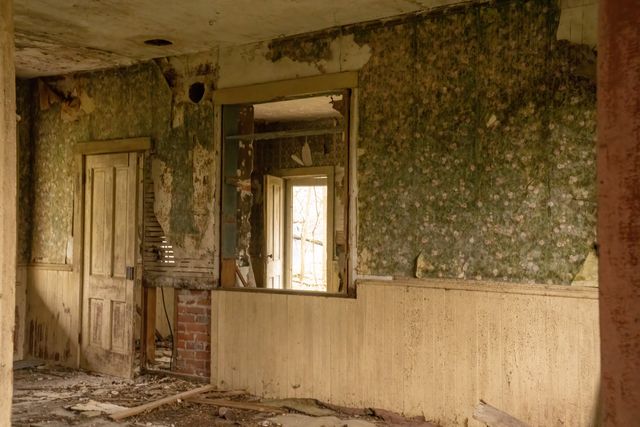
Utah law requires owners to provide a prospective renter with a written inventory, a condition form, or an opportunity to conduct a walkthrough before entering into the rental agreement. Build that requirement into a consistent process.
Supplement the required documentation with dated photographs or video showing existing wear.
Keep these records with the lease and other tenancy documents. Clear documentation gives both owner and resident a shared reference point.
7. Establish Rent, Maintenance, and Communication Systems
Decide how residents will pay rent, where payment records will be stored, and how to document income and expenses. Separating rental records from personal spending can also make bookkeeping much easier.
Next, establish one clear method for submitting maintenance requests. Residents should know how to report both routine repairs and how to respond to emergencies.
Create your vendor list before you need it. Having contacts for plumbing, HVAC, electrical, and general repairs gives you a starting point when maintenance is required rather than finding a vendor at need.
8. Build Ownership Costs Into Your Rental Budget
Estimate recurring costs such as insurance, property taxes, HOA charges when applicable, maintenance, professional services, and utilities you have agreed to cover. Then consider less predictable costs such as major repairs and periods between residents.

Keeping a dedicated reserve can make it easier to respond when the water heater, HVAC system, appliance, or another major component needs attention.
Before listing, compare your expected rent with the property’s complete operating costs to estimate your potential profits.
9. Prepare an Accurate Rental Listing
Use clear, current photographs and describe the property accurately. Include objective information prospective renters need, such as bedrooms, bathrooms, major amenities, parking, included appliances, lease terms, utility responsibilities, and applicable pet policies.
Avoid language describing the type of person who should live there. Fair Housing-conscious marketing focuses on the property itself rather than suggesting preferences for particular groups of people.
Good marketing is not about making the home sound perfect. It is about presenting the property clearly enough that prospective renters can determine whether it meets their needs.
10. Create a Strong Foundation
Legal requirements, property preparation, screening standards, documentation, financial planning, and day-to-day procedures should be established before the lease begins rather than created as situations arise.
If you would rather have an established management process in place from the beginning, contact the team to discuss your Layton rental property.
Bottom Line
Before renting your Layton property, confirm legal requirements, insurance, property condition, screening procedures, lease terms, and move-in documentation. Set up reliable systems for rent, maintenance, communication, and budgeting before listing the home to create a more organized rental process. Contact our property management team today to learn more about our services!
Contact Our Property Management Experts
Frequently Asked Questions
Does a Utah Rental Agreement Have to Be in Writing?
Not necessarily, Utah’s statutory definition of a rental agreement includes agreements that may be written or oral.
However, rental owners benefit from putting the agreement in writing because it provides a record of rent terms, responsibilities, property rules, charges, and other expectations.
How Long Does a Utah Landlord Have to Return a Security Deposit?
Utah generally requires the refundable balance of a deposit and prepaid rent to be returned no later than 30 days after the renter vacates the property. If deductions are made, the owner or agent must provide a written notice itemizing and explaining them. Utah law establishes additional notice and remedy procedures when an owner does not comply, so landlords should follow the current statutory process.
How Much Notice Does a Utah Landlord Need Before Entering?
Utah law generally requires an owner to provide at least 24 hours’ prior notice for entry. Owners should also review current exceptions and access requirements before entering a rental property. A consistent written notification process helps to create a clear record of communications.
What Should I Document Before Move-In?
Document the property’s condition, including existing wear, appliance condition, flooring, walls, fixtures, and exterior areas relevant to the rental.
Utah law also requires an owner to provide a written inventory, a condition-documentation form, or an opportunity for a walkthrough before the rental agreement is completed. Store all documentation with the signed rental paperwork so it remains available throughout the tenancy.
Should I Hire a Property Manager for My First Rental?
Consider whether you have the capacity for marketing, inquiry responses, applicant screening, document preparation and maintenance, rent collection, and rental maintenance. Owners who prefer to remain involved can build systems for each responsibility, while some owners may choose professional management. Compare the scope of services carefully before deciding.